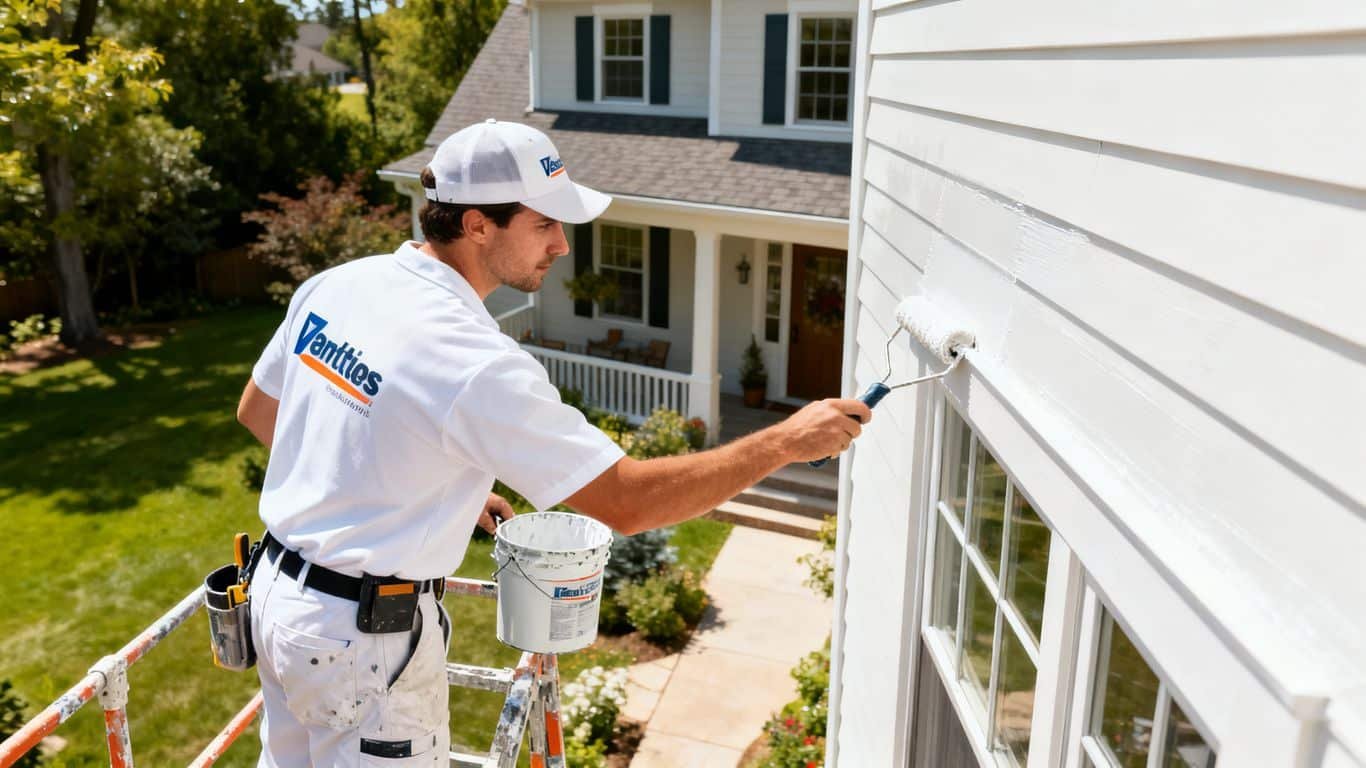
Key takeaways
Painting contractor marketing works when it’s a system, not a scattered pile of ideas. These five moves will fill your calendar and stop you from wasting money on channels that don’t produce jobs:
- Get your Google Business Profile working harder than any other painter’s in town
- Track every lead back to its source so you know which dollars actually turn into jobs
- Use a 60-second text-back system so a missed call doesn’t turn into a missed job
- Build real relationships with realtors and general contractors for steady referral work
- Make your trucks, uniforms, and job sites look like the biggest operation on the block
1. Get found before anyone even calls around
Homeowners looking to paint a room or repaint the outside of the house start on Google. If they can’t find you, or can’t confirm in ten seconds that you’re legit, they call the next name on the list. A messy online presence tells them you might be unreliable before you’ve said a word.
Optimizing your Google Business Profile
Your profile is your storefront now. Most contractors set it up once and forget it, but Google rewards profiles that get new photos and updates regularly. If you’re stuck outside the top three spots on Google Maps, your profile is probably missing the verification and category details that tell Google exactly what you do and where you do it.
Naming your business for local search results
Your legal name is your legal name, but the name you use everywhere online should be simple and easy to remember. Don’t stuff extra keywords into it hoping to rank better. That can trigger spam filters, and it looks amateur next to the plain name on your trucks. Clarity beats cleverness when someone is scanning six painters in a hurry.
Keeping your contact information consistent across directories
Your name, address, and phone number need to match exactly everywhere you’re listed, from Google and Yelp to Houzz and the local Chamber of Commerce. When those details don’t match, search engines lose confidence that you’re a real, established business, and homeowners get suspicious too. Here’s how a clean, consistent listing compares to a messy one:
| Metric | Consistent NAP | Fragmented NAP |
|---|---|---|
| Map Pack Rank | High Potential | Low Confidence |
| Lead Trust | Instant | Delayed/Negative |
| Directory Sync | Automatic | Manual/Erroneous |
Keeping this information clean removes friction for the search engine and for the customer trying to reach you.
2. Turn every finished job into your next lead
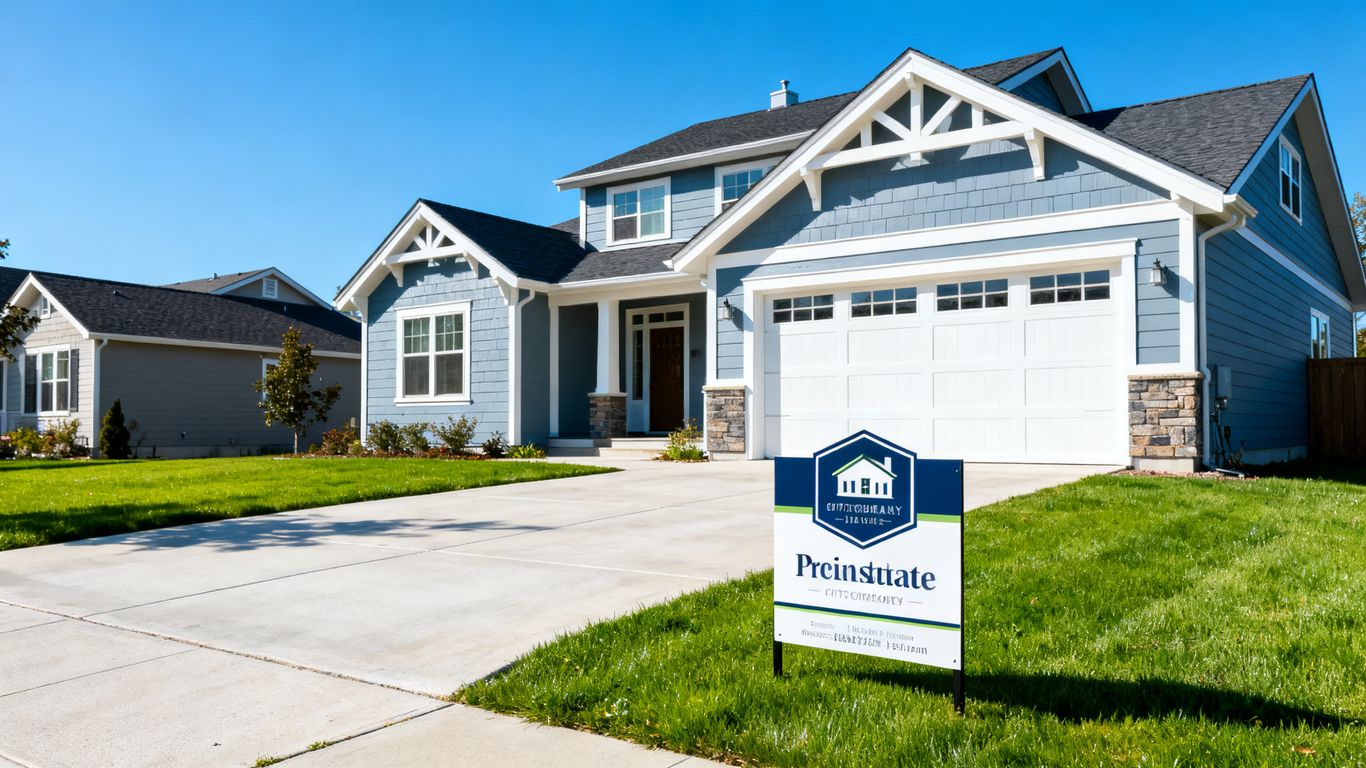
You already paid for the labor and materials on that job. Squeeze the marketing value out of the site before you move the ladders to the next one. A freshly painted house is a billboard, as long as you actually put a sign in the yard and talk to the neighbors.
Using eye-catching yard signs at active job sites
A custom-printed sign works while you’re up on the ladder. Place it where it’s visible from the street without becoming an eyesore, and make sure the phone number is legible from a passing car. It’s a simple way to plant your name in a neighborhood where your work is already doing the talking.
Asking for online reviews immediately after the final walkthrough
Asking for a review feels awkward, but homeowners are happiest right at the reveal of a fresh room. Wait even a day and the excitement fades, and the review probably never happens. A few ways to bring it up in that moment:
- Hand them a physical card with a direct link to your profile.
- Mention that your business is small and relies on local support to stay busy.
- Send a follow-up text once you get back to the shop.
- Offer to share their project photos on your social gallery.
Catch them at that moment and you’re far more likely to get a review that actually helps you win the next job.
Implementing a formal referral program for past clients
A real referral system smooths out the feast-and-famine cycle most painting contractors deal with. Offer a small incentive, or early scheduling access, to clients who send you their neighbors. Keep the emphasis on the relationship rather than the payout so the referrals stay high quality.
Reactivating past customers in your slow months
Your past customers are the easiest jobs you’ll ever book, and most contractors never ask them for more work. Before your slow season hits, send a short email or text to everyone you’ve painted for in the last few years. Offer a preferred-customer rate on the second room, the exterior, or the trim they skipped last time. This doesn’t take new ad spend. It takes a list of names you already have and ten minutes to write the message.
3. Look like the operation homeowners already trust
A crew that shows up in matching uniforms and clean gear gives the homeowner an immediate sense that the job is in good hands. That’s the whole point of image: proving you’re stable and organized before you’ve said a word.
Investing in high-quality vehicle wraps and decals
A wrapped truck is a rolling billboard that builds familiarity across your service area. See the same truck often enough and homeowners start associating your name with reliability without you saying a word. Make sure the wrap lists your services clearly enough to read from twenty paces.
Setting standards for uniforms and onsite equipment maintenance
You don’t need the newest gear, but rusted ladders and leaking paint equipment send the wrong message fast. Set a Sunday routine where the crew leader checks the vans and uniforms before the week starts. That small habit lets you charge higher prices, because customers read professional conduct as quality workmanship.
Capturing professional photography of finished projects
Sharp photos matter for painting contractor marketing because people want to see exactly what they’re paying for. Clean, well-lit shots let a homeowner see the precision of your cut lines and the quality of the finish, which does most of the work of proving you’re worth the higher price.
4. Get seen on social media without wasting your evenings
You don’t need to be everywhere. You need your best work visible where the right people are already looking, and painting has an advantage most trades don’t: the work is visual, so the proof sells itself.
Facebook and Instagram for homeowners
Before-and-after photos are the strongest proof you already own, and they cost nothing but a phone camera and two minutes at the end of a job. Post the dingy room next to the finished one and let the photo do the selling. Homeowners scrolling Facebook or Instagram in the evening are exactly the people deciding who paints their house next.
LinkedIn for property managers and general contractors
Commercial work and repeat contracts come from a different crowd. Property managers and GCs use LinkedIn, not Instagram, and they care more about reliability and turnaround than they do about aesthetics. Post job completions, connect with the property managers in your area, and comment on their posts. It’s slower than a homeowner ad, but it builds the kind of relationship that turns into a standing account instead of a one-off job.
5. Pay for leads, not clicks

Paid ads can drain your account if you’re not watching them, but targeted correctly, they fill the gaps in your slower months. You don’t need to blanket the whole city. That just burns your budget on zip codes you’d never want to drive to anyway.
Google Local Services Ads: paying for the lead, not the click
Google Local Services Ads work differently from a regular Google Ads campaign. Instead of paying every time someone clicks your ad, whether they call you or not, you pay when someone actually contacts you through the ad. That’s the difference between paying for clicks and paying for customers. Get verified for the “Google Guaranteed” badge and your listing carries a level of trust a plain website ad can’t match, because Google is putting its own name behind you.
Targeting homeowners in specific, profitable zip codes
Focus your ad spend on neighborhoods that match your typical project size and profit margins. You’re better off spending money where you have concentrated traffic than losing your budget in a city-wide net.
Using before-and-after photo ads on social feeds
Real projects from your own portfolio outperform stock photos every time. Homeowners want to see what you actually did with a challenging room, so use real-world examples to show off your capability. When an ad shows a dramatic transformation from a dingy wall to a finished high-end bedroom, that visual proof does the selling for you.
Setting realistic daily budget caps to avoid overspending
A budget cap stops an ad platform from swallowing your entire monthly profit in one weekend of high traffic. Start low, test what actually brings in qualified leads, and ramp up once you can prove each dollar is producing a real conversation.
6. Team up with people already inside the house
You don’t have to find every job yourself if you have friends in other parts of the home service world. Networking with people already inside a client’s home gets you warm leads without an expensive bidding war.
Bridging the gap with general contractors
Build relationships with contractors who handle framing or plumbing but don’t touch interior trim or painting. When they finish a renovation, they’re often the one recommending the next painter, and you want to be at the front of that line.
Partnering with local realtors and property managers
Realtors helping clients sell homes often know exactly which houses need a refresh before hitting the market. Make it easy for them to get a quote and get the work done quickly, and you become their go-to painter, which is a steady volume source.
Trading leads with other home service tradespeople
Swap recommendations with roofers, landscapers, or floor installers who deal with a similar set of homeowners. This turns your local service community into a source of mutual support instead of a pile of competitors.
7. Know exactly what’s working
Stop guessing which part of your marketing actually brings in the checks. If you can’t look at a spreadsheet and say what each lead cost you, you’re flying blind and probably wasting money on channels that don’t produce.
Asking every new caller how they found you
It sounds simple, but it’s easy to forget during a busy work day. Skip this step and you get the missed-call lead loss that’s common in this industry: you’re paying for marketing with no idea why the phone is actually ringing.
Calculating the cost per acquisition for every lead source
If you spend money on flyers or social ads, divide the total cost by the number of jobs that closed from it. That gives you your true acquisition cost, and it’s the number that separates the channels worth keeping from the ones draining your bottom line.
Cutting marketing channels that do not show a return on investment
If a specific ad method or directory listing costs more than the jobs it brings in are worth, cut it. Marketing is an experiment, not a fixed cost. Move your money toward what works and kill the dead weight as soon as the numbers prove it’s failing.
Conclusion
A full schedule doesn’t come from one clever marketing idea. It comes from a system that tracks every lead and keeps your name visible locally, month after month. Get the basics right: a profile that looks alive, real trade partnerships, and a phone that never gets a missed call without a text back. Do that consistently and the premium jobs start finding you instead of the other way around.
Frequently asked questions
Is digital advertising necessary for every painter?
Not necessarily, but it’s the fastest way to get leads when you need to fill your calendar on short notice. If your referral base already covers your capacity, you don’t need ads. Most owners eventually hit a point where they need extra volume to keep growing.
Are Google Local Services Ads worth it for a painting contractor?
For many contractors, yes, because you’re paying for an actual contact rather than a click that might go nowhere. The Google Guaranteed badge also gives homeowners a reason to trust you before they’ve seen a single review. It won’t replace a referral network, but it’s a solid way to fill gaps during slower stretches.
How do I ask for reviews without being annoying?
Be direct and human about it, ideally while you’re still on site or right after finishing. Tell the homeowner you’re a local operator and that their review is one of the biggest ways they can help you stay busy.
Can I manage my own social media profiles?
Yes, as long as you keep the content grounded in your real work instead of trying to act like a corporate media team. Share current projects, explain your process, and show the human side of your crew. Homeowners look for transparency far more than they look for polished design.
How often should I check my marketing results?
Look at your lead sources and costs monthly at minimum. If you’re running active paid ads, check them weekly, but don’t obsess over daily swings that are usually just noise.
What if I do not have a large marketing budget?
Build your local presence through Google search visibility and manual networking before spending on broad advertising. These efforts take longer to pay off, but they build relationships that last for years instead of just renting clicks.
Are vehicle wraps really worth the upfront cost?
If you plan to stick with the business for more than a year, a professional wrap is usually a strong investment. It puts your name in front of thousands of local eyes every week. Think of it as a one-time cost for years of advertising that marks you as an established company in your territory.
Should I try to be on every social media platform?
Focus on one or two platforms where your customers actually spend their time instead of trying to exist everywhere at once. A gallery of high-quality, updated project photos on one platform beats empty, outdated pages on five different ones.
Want to know exactly where your Google Business Profile is losing you calls? Get a free, no-obligation GBP audit.